The Art of Dialogue with Mary Anne Butler
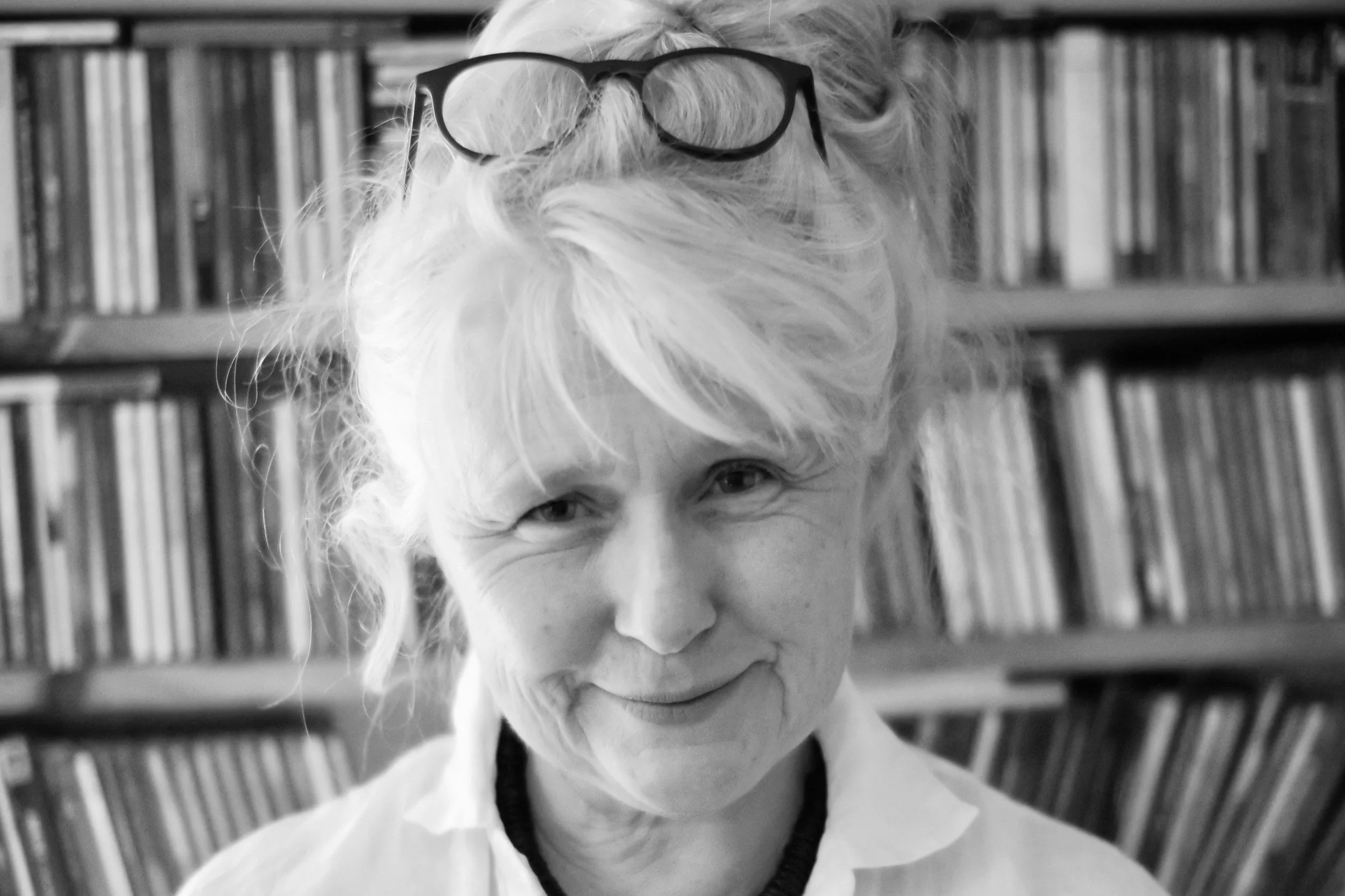
Multi award-winning playwright Mary Anne Butler is known for her sharp writing, resonating characters and powerful, honest dialogue. Don’t miss this chance to learn from her in our 8-week online masterclass.
Applications close 13 May 2026
Dates: 6pm - 8pm (AEST), Tuesdays 16 June - 4 August 2026
Fees: $1295 or $1200 for Varuna alumni. Payment terms negotiable if you cannot pay upfront.
Places: 8 participants will be selected
Who should apply: Emerging or established writers are welcome to apply
The Art of Dialogue drills down into how to craft dialogue on the page, ensuring that each of your character’s voices is unique.
As a whole group, we’ll analyse examples of excellence and innovation in dialogue across a range of genres including fiction, non-fiction, memoir and stage plays, dissecting them for their mastery of rhythm, syntax, subtext, backstory, foreshadowing and exposition.
By closely studying dialogue examples from writers such as Ernest Hemingway, Tara June Winch, John Steinbeck, Harper Lee, Max Porter, Barbara Kingsolver, Cormac McCarthy, George Saunders, Tim Winton and James Kelman, we’ll learn how to craft distinct voices for our own characters, unpacking what makes dialogue ‘click’ in the ears of the reader, and absorbing the strategies used to render each character unique.
Each craft element will then be consolidated during that session, with exercises for you to apply that particular skill to your own work in progress.
During this course we will also examine how elements such as layout, font, punctuation and the ‘white space’ on the page help to generate our characters’ unique speech patterns – and then we’ll actively apply all these learnings to our own work, refining our dialogue skills as we go.
The program includes:
Two or three specific dialogue elements / craft skills, each week
Whole-group analysis exercises and deeper discussions of how each element works, and how to apply it
Writing exercises, applying each dialogue element directly to your own work
Weekly readings to consolidate your dialogue skills and to continue with, post-workshop
Opportunities to post your work to the online portal for peer feedback
Suggestions to help build or sustain your longer-term writing community
PROGRAM OUTLINE
16 June Session 1: Story is character, character is dialogue
Introductions, and course process
The essence of story
What drives us to speak?
Dialogue as a tool to reveal character and story
23 June Session 2: Dialogue, monologue and the interior monologue
Distinctions between dialogue, monologue and the interior monologue
‘Voice’: distinguishing between authorial voice, narrative voice and character voice
The internal character monologue, with exercises to drill down into your characters’ deepest thoughts
30 June Session 3: Dialogue as driving story energy
Dialogue as action, energy, conflict and story force
Causality in dialogue - also known as cause-and-effect
7 July Session 4: Sometimes an argument about mayonnaise isn’t about the mayonnaise
Exposition: ‘Show, don’t tell’ through dialogue
Writing the unspoken as simmering subtext
14 July Session 5: Dialogue from the voices of ‘others’
Dialogue for characters of a different class, culture, age or era to your own – including non-human and other-worldly beings
A variety of tools to generate unique character voices: Rhythm, punctuation, font, layout, and the white space on the page
21 July Session 6: Dialogue as organic exposition
Backstory and foreshadowing through dialogue.
Character Arcs
Your story's 'Central, Unanswerable Question'
28 July Session 7: Editing your dialogue
Cutting dialogue back to your characters’ necessary essence
Getting in late, and getting out early
4 August Session 8: The practical bits
Dialogue tags, speech marks, layout and formatting
Further resources
ABOUT MARY ANNE BUTLER
Multi-award-winning playwright Mary Anne Butler has spent two decades mastering the art of dialogue. Her plays have won the Victorian Prize for Literature, Victorian Premier’s Award for Drama, Shane and Cathryn Brennan Prize for Playwriting, an AWGIE and two NT Chief Minister’s Book of the Year Awards. Her teaching experience combines a Masters in Arts Education, a Masters in Creative Writing, a Diploma of Acting from VCA and a Dip Ed in English/Drama. She’s currently undertaking a PhD in Literature, writing a novel which investigates how we write hope into the realist fiction of the Anthropocene.
HOW TO APPLY
Applications close 13 May 2026
Entry to this course is by application. Writers will be selected based on the creative potential of their work, commitment to craft, openness to collaborating with peers and the balance in the group.
All applicants will be notified of the outcome of their submission by 27 May 2026.
Please refer to Varuna’s general submission guidelines for any questions on formatting your work.
Feel free to call 02 4782 5674 or email amy@varuna.com.au to discuss your application.
TESTIMONIALS
“Mary Anne was an absolutely outstanding teacher. She answered every question with the cheerfulness of someone who actually likes questions, fired off emails with astonishing efficiency, and managed to design content that was both thoughtful and genuinely useful. I learnt a great deal, which at this stage of my over-educated life is no small miracle. If only all courses were run by a Mary Anne, the nation’s productivity would skyrocket.”
“The Art of Dialogue was a fantastic deep dive into the hows and whys our character’s speak. With extensive technical examples and rich conversation the course excelled my understanding and improved my application of dialogue.”
“Mary Anne’s workshops are like being let loose to explore a master story-teller’s secret tool-shed with the best guide imaginable”
“With a unique blend of teaching, dramaturgy and writing experience, Mary Anne Butler’s deep sense of story structure; and vibrant understanding of character and dialogue spur the writer on with new insights and clarity.”
“Mary Anne Butler’s experience, depth of knowledge and respect for the writing process is brilliant. The practical exercises made me look at my work in a new light, extending my skills in new directions.”
UPCOMING COURSES, FELLOWSHIPS AND EVENTS